


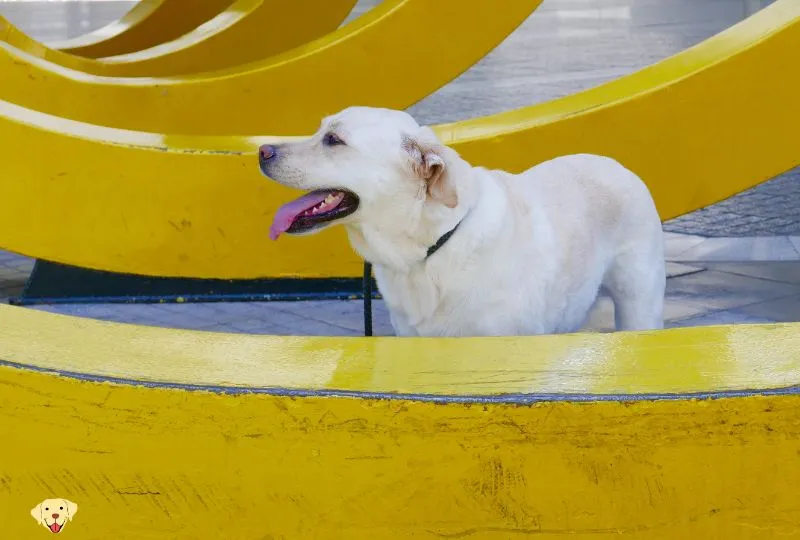
- Understanding Labrador Separation Anxiety Signs: A Comprehensive Guide for Caring Owners
- What Is Separation Anxiety in Labradors?
- Common Signs of Separation Anxiety in Labradors
- Understanding the Causes of Separation Anxiety in Labradors
- Behavioral Changes to Observe in Your Labrador
- Recognizing Physical and Emotional Stress in Your Labrador
- How to Address Separation Anxiety in Your Labrador
- How Physical Activity Can Alleviate Anxiety
- Understanding the Role of Diet and Supplements
- Training Techniques to Help Ease Separation Anxiety
- The Importance of a Safe and Comfortable Environment
- Top Product Recommendations to Ease Separation Anxiety
- How to Monitor Progress and Adjust Interventions
- Integrating Professional Help
- Implementing a Long-Term Strategy for Calm and Security
- Encouraging Your Labrador to Feel Secure When You’re Away
- Steps to Take Now for a Calmer Tomorrow
- Creating a Bond That Lasts Beyond Separation
- A Path Forward to a Happier, More Confident Labrador
- Labrador Separation Anxiety Signs: An Informative Guide
-
FAQ
- What are common signs of separation anxiety in Labradors?
- How does excessive barking relate to separation anxiety?
- Can destructive behavior indicate anxiety in my Labrador?
- When should I consider separation anxiety in my Labrador's behavior?
- Are there physical symptoms associated with separation anxiety?
- How does exercise help alleviate anxiety in Labradors?
- Can my Labrador be treated for separation anxiety without medication?
- How long does separation anxiety take to improve with training?
- Are there specific training techniques to manage separation anxiety?
- What role do stress-relief products play in treatment?
- Can a change in routine worsen separation anxiety?
- How important is professional veterinary advice?
- What environmental changes can help reduce anxiety?
- Is it normal for a Labrador to be anxious when alone?
- What early signs should pet owners watch for?
- Conclusão
Understanding Labrador Separation Anxiety Signs: A Comprehensive Guide for Caring Owners
If you’ve noticed that your beloved Labrador exhibits unusual behaviors when left alone, you might be dealing with separation anxiety. In this guide, we’ll explore the key signs of separation anxiety in Labradors, discuss its causes, and provide practical tips and product recommendations to help both you and your pet manage this condition. Whether you’re new to the topic or have been struggling with your dog’s anxious behavior for months, this article will answer your questions in a clear and informative way.
What Is Separation Anxiety in Labradors?
Separation anxiety is a condition in which a dog experiences extreme distress when separated from their owner or primary companion. Labradors, known for their friendly and loyal nature, can be particularly vulnerable to this condition due to their deep bonding with their family members. Separation anxiety signs in Labradors often manifest through a range of both behavioral and physical symptoms, including destructive behavior, excessive barking, and even attempts to escape confinement. Understanding these signs can help you address the problem early, ensuring that your Labrador remains calm and happy even when you are not at home.
Common Signs of Separation Anxiety in Labradors
Recognizing the symptoms of separation anxiety is the first step toward helping your dog overcome this challenging condition. Labradors display a variety of behaviors when suffering from separation anxiety, and these signs can be categorized into behavioral, vocal, and physical symptoms.
Behavioral Signs
- Destructive Behavior: Labradors may chew furniture, scratch doors, or manage other destructive actions when left alone.
- Pacing and Restlessness: A dog with separation anxiety might walk in circles, pace back and forth, or exhibit repetitive behaviors.
- Excessive Licking or Chewing: Some dogs may develop a habit of repeatedly licking or chewing themselves as a coping mechanism.
- Avoidance of Certain Areas: They may avoid places in the house where they associate you, their owner, with comforting experiences.
Vocal Signs
- Excessive Barking or Howling: When left alone, Labradors can bark or howl continuously, often as a sign of distress.
- Whining: Soft, continuous whining or whimpering can also indicate anxiety.
- Excessive Crying: Some Labradors may cry out in distress, especially during the early stages of separation.
Physical Signs
- Drooling: Increased saliva production often occurs as a physical stress response.
- Changes in Appetite: A sudden change in eating habits, either an increase or a decrease, can occur.
- Vomiting or Diarrhea: Gastrointestinal issues are sometimes a result of prolonged anxiety.
- Excessive Panting: Apart from physical exertion, panting can indicate that your Labrador is under stress.
Understanding the Causes of Separation Anxiety in Labradors
It is important to recognize that separation anxiety can arise from both genetic predispositions and environmental factors. Labradors are social animals that thrive on interaction and consistent routines. When those routines are disrupted, the effects can be severe. Below are some of the most common causes:
- Lack of Socialization: Labradors that have not been adequately socialized may become overly reliant on their human companions.
- Past Trauma: A traumatic event, such as the loss of a family member or frequent changes in the household, can trigger anxiety.
- Inconsistent Schedules: An unpredictable daily schedule can cause stress in dogs, who thrive on routine and stability.
- Excessive Bonding: While it is heartwarming to have a close bond with your Labrador, becoming overly attached can lead to anxiety when you are not around.
- Environmental Stressors: Changes in the household, such as moving to a new home or the introduction of new family members, can exacerbate anxiety symptoms.
Behavioral Changes to Observe in Your Labrador
When assessing your dog's well-being, vigilance in observing behavioral changes is key. Some changes may be subtle, while others are more pronounced. Below are additional behaviors that may suggest your Labrador is struggling with separation anxiety:
- Excessive Affection Immediately Before Departure: If your Labrador displays overbearing affection or clinginess right before you leave, it could be a sign of distress.
- Reluctance to Leave the House: A dog who hesitates or seems anxious when you’re about to go out may be anticipating a stressful separation.
- Excessive Greetings Upon Your Return: While it’s natural for dogs to greet their owners enthusiastically, an overly excited or frantic greeting can be symptomatic of high anxiety levels.
- Changes in Sleeping Patterns: Difficulty relaxing or an altered sleep schedule may also indicate an anxious state.
Recognizing Physical and Emotional Stress in Your Labrador
It is essential to consider that separation anxiety not only affects your dog’s mood but also their physical health. Stress-related behaviors can sometimes lead to more severe health issues if left unaddressed. Here are some important points that interlace physical and emotional stress:
- Tail-Chasing and Overactivity: A repeated pattern of tail-chasing or constant overactivity might be a physical manifestation of inner turmoil.
- Excessive Scratching: Sometimes, anxious dogs will scratch themselves to the point of causing skin irritations or wounds.
- Lowered Immune System: Chronic stress may compromise your Labrador’s immune system, leaving them vulnerable to infections and other illnesses.
How to Address Separation Anxiety in Your Labrador
Once you’ve recognized the signs of separation anxiety, it’s important to have a plan in place to help your Labrador feel secure, even when you’re not around. Addressing separation anxiety involves a combined approach of behavior modification, environmental adjustments, and sometimes natural supplements or specialized products. Here are some strategies to start with:
Establish a Consistent Routine
Labradors flourish on consistency and predictability. Set clear routines for feeding, exercise, and playtime to put your dog at ease.
- Regular Feeding Times: Feed your Labrador at the same times each day to establish a sense of security.
- Daily Exercise: Schedule regular walks or play sessions to expend energy and reduce anxiety.
- Designated Resting Areas: Create a comfortable space, such as a cozy bed in a quiet corner, where your dog can relax safely.
Gradual Desensitization
Gradual desensitization is a proven approach when helping dogs overcome separation anxiety. This technique involves slowly increasing the time your Labrador spends alone in an environment that feels secure.
- Practice Short Absences: Begin with very brief periods of separation, then slowly extend the time you’re away.
- Use Positive Reinforcement: Reward your Labrador when they remain calm during your absence to reinforce positive behavior.
- Create a Calm Exit Routine: Avoid making a big fuss when leaving; instead, maintain a calm demeanor to set the tone for your departure.
Environmental Enrichments
Transform your home into a more stimulating and comforting environment that can help distract and soothe an anxious dog. Some environmental adjustments include:
- Interactive Toys: Puzzle toys and treat dispensers can keep your Labrador occupied and mentally stimulated.
- Safe Spaces: Designate a specific room or area where your dog feels secure and relaxes reliably.
- Background Noise: Soft music, a white noise machine, or even the television at low volume can provide auditory comfort.
How Physical Activity Can Alleviate Anxiety
Physical exercise is one of the most effective ways to reduce anxiety in Labradors. Engaging in regular, vigorous exercise not only improves physical health but also provides mental stimulation that can help diminish anxiety symptoms.
- Daily Walks and Runs: Aim for at least one or two brisk walks or runs each day. This not only tires your dog out but also builds confidence.
- Interactive Games: Games like tug-of-war or fetch encourage bonding and provide a distraction from anxious thoughts.
- Swimming: Many Labradors love water. Swimming can be an excellent, low-impact exercise that contributes to overall well-being.
Regular exercise helps regulate your dog’s stress hormones while providing routine and predictability. The happier and healthier your Labrador feels physically, the better they will be at managing emotional stress when left alone.
Understanding the Role of Diet and Supplements
Your Labrador’s diet plays a crucial role in their overall well-being. A well-balanced diet can aid in reducing anxiety, while specific supplements may offer additional support.
- Balanced Nutrition: Ensure your Labrador receives a diet rich in nutrients that support brain health, including omega-3 fatty acids, vitamins, and minerals.
- Calming Supplements: Natural supplements like chamomile, valerian root, or CBD oil (where legal and advised by your vet) have been known to have a calming effect on dogs. These products may help to reduce the severity of separation anxiety signs.
- Probiotics: In some cases, stress can affect gut health. Incorporating probiotics may help maintain digestive balance, further contributing to overall calmness.
Before introducing any new supplement, it is important to consult with your veterinarian to ensure it is safe and appropriate for your Labrador’s specific needs.
Training Techniques to Help Ease Separation Anxiety
Training is a cornerstone of managing separation anxiety in Labradors. A combination of behavior modification techniques can help your pet learn to cope with your absence while building confidence and independence.
Counter-Conditioning
This technique involves changing your dog's emotional response to being alone by associating your departures with something positive. For instance, you can reserve a special toy or treat that your Labrador only gets when you leave. Over time, your dog begins to link your departure with a positive experience rather than a distressing one.
Behavior Modification Through Positive Reinforcement
Using positive reinforcement is an effective way to encourage calm behavior. Each time your Labrador remains calm as you prepare to leave or during your absence, reward them with praise or a small treat. This approach reinforces the notion that calm behavior results in positive outcomes.
- Reward Calmness: By immediately rewarding your dog for being calm when you’re finishing preparations to leave, you help create a positive association.
- Avoid Punitive Measures: Do not punish your Labrador for anxious behavior. This can increase stress and further exacerbate separation anxiety.
- Short Training Sessions: Keep training sessions brief and consistent to prevent overwhelming your dog.
The Importance of a Safe and Comfortable Environment
Creating a secure space where your Labrador can relax is key to alleviating separation anxiety signs. This safe environment should minimize stressors and offer comfort during your absence.
- Designated Relaxation Area: Choose a quiet corner or room where your Labrador feels secure. Populate this area with familiar items such as their bed, favorite toys, or even an item of your clothing for comfort.
- Soothing Aromas: Consider using dog-safe aromatherapy products. Scents like lavender have a calming effect and can help relax your pet.
- Visual Barriers: Sometimes covering the dog’s crate or providing a barrier can create a den-like atmosphere that feels both confined and comforting.
Top Product Recommendations to Ease Separation Anxiety
While behavioral and environmental modifications are key to reducing separation anxiety in Labradors, certain products can complement your efforts by providing additional relief for your beloved pet. Here are some top recommendations designed to ease anxiety and promote a sense of calm:
Natural Calming Supplements
Many pet owners have found success using natural calming supplements formulated specifically for dogs. These supplements often include ingredients such as chamomile, valerian root, and L-theanine. They are designed to help manage anxiety levels in dogs without the use of harsh chemicals. When selecting a supplement, look for products that have been tested for safety and efficacy, and always consult your veterinarian before starting any new supplement regime.
Interactive and Treat-Dispensing Toys
Interactive toys that dispense treats not only keep your Labrador occupied but also distract them from feelings of anxiety when left alone. These toys stimulate mental activity and reward focused behavior. Some popular options include:
- Puzzle Toys: These toys encourage your dog to solve puzzles to earn treats, engaging their mind while easing anxiety.
- Treat-Dispensing Balls: These balls release treats as they roll, ensuring that your Labrador has a positive and engaging activity while you’re away.
Comfortable Crate or Bed Solutions
A well-designed crate or bed can serve as a personal sanctuary for your Labrador. When introduced to this space gradually, these items can create an environment of security and comfort that eases stress. Look for products with features such as:
- Memory Foam Beds: To provide additional comfort and reduce pressure on joints.
- Crate Covers: These help simulate a den-like environment that makes your dog feel safe.
Products like these are especially beneficial when combined with training techniques that encourage independence and calmness.
How to Monitor Progress and Adjust Interventions
One of the most important aspects of managing separation anxiety in your Labrador is regular monitoring. Keeping a close eye on your dog's behavior and adjusting your interventions helps ensure long-term success.
- Maintain a Journal: Record your Labrador’s behavior, noting any changes in activity or anxiety levels. Tracking patterns can help you identify triggers and assess the effectiveness of your interventions.
- Regular Vet Visits: Keep in contact with your veterinarian to monitor your dog’s health and discuss changes in behavior.
- Adjust Techniques As Needed: What works initially might need tweaking over time. Continue to explore new behavioral techniques and products if you notice limited improvement.
By staying observant and proactive, you can provide your Labrador with the support they need to overcome separation anxiety and enjoy a happier, more balanced life.
Integrating Professional Help
At times, separation anxiety in Labradors can reach levels that require professional intervention. A certified dog behaviorist or trainer can offer tailored advice and strategies specific to your dog’s needs. Professional help can be particularly useful when:
- Behavioral Modification Techniques Fail: If your attempts at gradual desensitization and positive reinforcement are not yielding the desired results.
- Severe Destructive Behavior: When your Labrador’s anxiety is causing significant damage to your home or risking their own safety.
- Emotional Distress Becomes Overwhelming: If your pet’s anxiety affects their overall quality of life and daily functioning.
Consult a professional as soon as you notice prolonged or worsening anxiety signs. Early intervention can prevent the condition from escalating further and may provide long-lasting benefits.
Implementing a Long-Term Strategy for Calm and Security
Managing separation anxiety in Labradors is not a quick fix—it requires a long-term commitment to your pet’s well-being. This comprehensive strategy should include regular exercise, mental stimulation, nutritional support, and consistent training. Over time, with patience and persistence, you’ll likely notice improvements in your Labrador’s behavior, resulting in a happier and more confident pet.
- Create a Daily Schedule: A consistent daily schedule provides structure and reassures your dog that their routine remains predictable, even in your absence.
- Invest in Quality Products: Utilizing products like anxiety-relief supplements, interactive toys, and comfortable resting areas can significantly boost your Labrador’s overall comfort.
- Monitor and Evolve: As your pet grows and their needs change, regularly re-evaluate their routine, environmental setup, and the training protocols in place to ensure an optimal level of calm.
The key to success lies in being observant and responsive to your Labrador’s needs. Every dog is an individual, and what works for one may require adjustments for another. A dedicated owner who seeks to understand and adapt to these needs is already on the path to making a tangible difference in their pet’s life.
Encouraging Your Labrador to Feel Secure When You’re Away
If you’re searching for practical solutions to help your Labrador overcome their anxiety, consider exploring specialized products that are designed to provide a calming effect. Many pet owners have reported great success with natural calming supplements formulated especially for dogs. These products work by reducing stress hormones and promoting relaxation, which in turn can decrease the frequency of separation anxiety behaviors.
Investing in these products can be a meaningful step toward ensuring that your Labrador feels secure even when you are away. With the right product and a consistent strategy in place, both you and your pet can enjoy a calmer daily routine.
Steps to Take Now for a Calmer Tomorrow
Begin by observing your Labrador’s behavior during your departure and consider establishing a simple, calming routine. Small changes can make a big difference in how your pet reacts to your absence. For instance, leaving behind a piece of clothing with your scent, using a treat-dispensing toy, or playing soothing background sounds can all create an environment that feels safe and comforting.
- Start Slowly: Gradually increase the duration of your departures to give your Labrador time to adjust.
- Stay Consistent: Consistency is key—maintaining routines helps reduce uncertainty and anxiety.
- Leverage Professional Guidance: If your Labrador’s anxiety is severe, consider professional guidance to develop a customized approach that fits your pet’s unique needs.
Every step you take toward understanding and addressing your Labrador’s separation anxiety signs is a step toward a more peaceful coexistence for both of you. If you’re considering a product to help manage these symptoms, look for options that have earned positive reviews from other pet owners and are backed by research. A proactive approach combined with the right product can significantly improve your pet’s quality of life.
Creating a Bond That Lasts Beyond Separation
Ultimately, the goal of addressing separation anxiety is to build a stronger, more resilient bond with your Labrador. While the signs of anxiety can be distressing, they also offer an opportunity for you to understand your pet’s emotional world more deeply. By prioritizing their emotional health through consistent routine, behavioral training, and supportive products, you can ensure that the bond you share becomes even stronger over time.
Remember, every effort you invest in managing separation anxiety is an investment in your Labrador’s overall quality of life. The journey may be gradual, but with persistence and love, you can help your pet feel secure and relaxed, even during times of separation.
A Path Forward to a Happier, More Confident Labrador
In conclusion, recognizing and addressing separation anxiety in Labradors involves a multifaceted approach that includes observation, environmental modifications, structured routines, and possibly targeted products. Whether you are dealing with destructive behaviors, excessive vocalization, or signs of physical stress, the strategies discussed in this guide provide practical and effective methods to help your pet manage their anxiety.
By adopting a long-term approach, investing in quality calming supplements and interactive toys, and, if necessary, seeking professional help, you pave the way for your Labrador to live a happier, more balanced life. The little adjustments you make can transform your pet’s daily experiences, ensuring that even during periods of separation, your Labrador feels the warmth of your care and the security of a supportive environment.
If you are serious about improving your Labrador’s quality of life and are looking for reliable products designed to ease separation anxiety, now is the perfect time to explore the options available. Your Labrador’s well-being and happiness are invaluable, and taking proactive steps now can lead to a lifetime of positive, loving interactions.


Links:
Related links:
Labrador Separation Anxiety Signs: An Informative Guide
Labradors are known for their affectionate nature, but when they experience separation anxiety, they may exhibit troubling behaviors that signal distress. Recognizing labrador separation anxiety signs such as incessant barking, destructive chewing, or attempts to escape can be key to helping your pet. These signs are often accompanied by physical symptoms like drooling or trembling. It is vital to observe your Labrador’s behavior closely when you leave them alone. Routine changes, a lack of stimulation, or previous traumatic events can trigger anxiety. Incorporating a combination of gradual desensitization, ample exercise, and environmental enrichment can help ease separation anxiety. Below are a few indicators you might notice:
- Excessive vocalization
- Destructive behavior around the home
- Pacing or restlessness
- Signs of stress such as drooling or whining
FAQ
What are common signs of separation anxiety in Labradors?
Common signs include excessive barking, destructive chewing, pacing, and restlessness when left alone. You may also notice physical signs of stress such as drooling or trembling.
How does excessive barking relate to separation anxiety?
Excessive barking is often a way for your Labrador to express distress when they are left alone. It can be a call for attention and reassurance.
Can destructive behavior indicate anxiety in my Labrador?
Yes, destructive behavior like chewing furniture or digging can indicate that your Labrador is experiencing anxiety and trying to cope with stress.
When should I consider separation anxiety in my Labrador's behavior?
If the problematic behavior occurs only when your pet is alone, it is likely a sign of separation anxiety. Consistent behavior over time warrants further evaluation.
Are there physical symptoms associated with separation anxiety?
Physical symptoms such as excessive drooling, panting, or trembling may accompany the emotional distress caused by separation anxiety.
How does exercise help alleviate anxiety in Labradors?
Regular exercise helps release pent-up energy, reducing overall stress levels. A well-exercised Labrador is less likely to develop anxiety-driven behaviors.
Can my Labrador be treated for separation anxiety without medication?
Yes, behavioral training, environmental enrichment, and gradual desensitization are effective strategies that can alleviate anxiety without the need for medication.
How long does separation anxiety take to improve with training?
The duration can vary depending on the severity of the anxiety. With consistent training and a supportive environment, improvements can be seen within a few weeks to months.
Are there specific training techniques to manage separation anxiety?
Techniques like gradual desensitization, establishing a consistent routine, and positive reinforcement can help reduce anxiety and improve your Labrador’s confidence.
What role do stress-relief products play in treatment?
Stress-relief products such as calming toys, anxiety wraps, or pheromone diffusers can complement behavioral training by promoting a sense of security.
Can a change in routine worsen separation anxiety?
Yes, abrupt changes can exacerbate anxiety in Labradors. Keeping a consistent routine helps provide predictability and security.
How important is professional veterinary advice?
Professional advice is essential, especially if the anxiety is severe. A veterinarian or behaviorist can tailor strategies to your Labrador’s specific needs.
What environmental changes can help reduce anxiety?
Creating a safe, comfortable space with familiar scents, toys, and calming music can ease your pet’s stress when alone.
Is it normal for a Labrador to be anxious when alone?
While Labradors are social dogs, some may experience anxiety when isolated. Recognizing the early signs ensures that timely intervention is provided.
What early signs should pet owners watch for?
Pet owners should monitor for changes in behavior, excessive vocalization, destructive habits, or any unusual physical symptoms when their Labrador is alone.
Conclusão
In conclusion, managing separation anxiety in Labradors requires careful observation, consistent training, and a nurturing environment. Recognizing early signs such as excessive barking, destructive behavior, and stress-induced physical symptoms is essential for every pet owner. A timely intervention incorporating exercise, mental stimulation, and gradual desensitization helps create a sense of security and reduces the dog's anxiety during extended periods of solitude. With a dedicated approach, owners can build more confident and balanced pets by fostering trust and reassurance in both predictable routines and occasional changes. It is important to consult experts or veterinary professionals when symptoms persist or worsen over time. The incorporation of safety measures, environmental enrichment, and possibly recommended products can further support a Labrador's emotional well-being. These methods not only alleviate separation anxiety but also strengthen the pet-owner bond through mutual understanding and care. Consistent application of these strategies often leads to noticeable improvements in behavior and overall happiness. Ultimately, an informed and proactive approach results in a healthier, more engaged, and relaxed Labrador. When implemented effectively, such techniques can transform challenging situations into opportunities for growth, ultimately benefiting the entire family by ensuring every moment spent together is both comfortable and joyful. Foster lasting family harmony.
American Kennel Club – Labrador Retriever Breed Page: https://www.akc.org/
The Labrador Site – Your Complete Guide to the Labrador Retriever: https://www.thelabradorsite.com/