


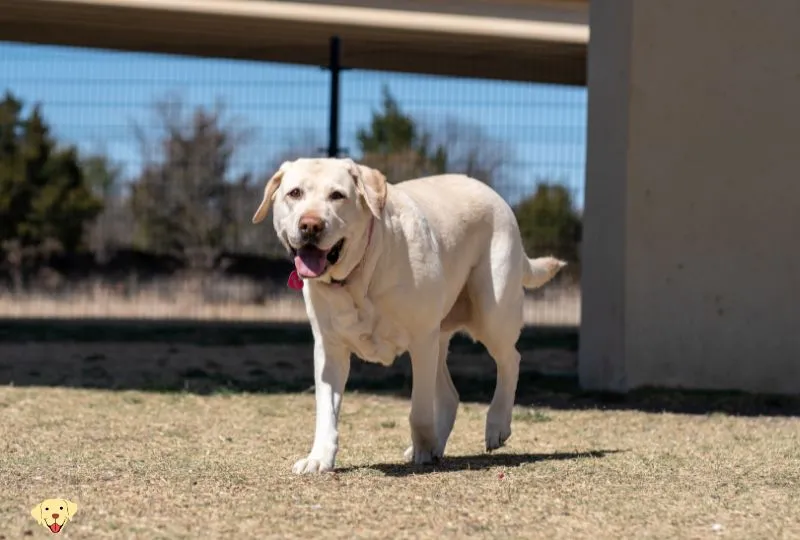
Labradors have always been more than just charming pets – their Labrador functions can be traced back centuries to a time when every trait mattered for survival. When I first came across research on dog breeds, I was surprised by how their historical roles reflected the needs of the people they worked with. In fact, early records often lead us to ask, “What were the Labrador’s original functions in history?” and the answer isn’t as simple as it might seem.
Back in the day, these dogs weren’t merely companions. They were hard-working animals who helped fishermen, hunters, and even agricultural communities. I’ve always been fascinated by how adaptable they are; it’s safe to say that their Labrador functions included much more than what most folks assume today. And honestly, it’s pretty cool how these roles still influence the breed’s temperament and abilities.
Historical accounts and traditions paint an interesting picture of the early Labrador roles. Many experts note that their original Labrador roles were centered on retrieving game, assisting fishermen, and even guarding estates. Their natural affinity for water wasn’t a recent trait – it had been honed over generations to meet the needs of working families.
These historical Labrador uses weren’t just about physical strength; they also involved intelligence and a willingness to please their handlers. I’ve seen firsthand how people who work with these dogs appreciate their unyielding dedication. And if you’re curious, you might be wondering how all of this translates into the modern-day reputation of the breed.
Ultimately, by revisiting early Labrador jobs and traditional Labrador roles, we can better appreciate not only what were the Labrador’s original functions in history but also the unwavering bond they’ve built with humans. Let’s dive right into this fascinating journey into their past.
- Historical Origins & Early Roles
- Hunting and Retrieving Tradition
- The Role in Agricultural Communities
- Certainty in Adaptability
- Evolution of Labrador Functions
- Cultural Impact and Legacy of Original Labrador Roles
- What were the Labrador’s original functions in history - A Detailed Analysis
- Lessons from Traditional Labrador Roles
- Conclusion
-
Frequently Asked Questions About Labrador's Original Functions in History
- What were Labradors originally bred for?
- How did Labradors assist fishermen in history?
- What hunting roles did Labradors play originally?
- How did Labradors assist with retrieving tasks in water?
- Were Labradors used for guarding during hunts historically?
- How did Labradors contribute to fishing communities?
- What traits made Labradors suitable for their original roles?
- How did Labradors transition from working dogs to beloved family pets?
- Are Labradors still used for their traditional roles today?
- What historical tasks did Labradors perform in Newfoundland?
Historical Origins & Early Roles
In the earliest records, the Labrador functions were well defined. These dogs were not bred for aesthetics but for their ability to work in challenging environments. Their energy, endurance, and gentle nature made them ideal for retrieving game during hunts and assisting with fishermen’s nets. Back then, every retriever’s mission was crucial – it could mean the difference between a full catch or going home empty-handed.
This period in history underscores the original Labrador roles that showcased adaptability and perseverance. It’s often noted that these dogs never shied away from tasks that involved plunging into icy waters or navigating rugged shores. I’ve always admired how their natural talent for swimming contributed to what were once essential Labrador functions.
Fishermen's Helpers
Traditional accounts reveal that Labradors were indispensable to fishermen. They’d run alongside boats, helping to recover nets and catch stray fish. Even in stormy weather, these dogs proved they weren’t ones to quit – after all, their Labrador functions were built on a foundation of trust and hard work. And let me tell you, tales from coastal regions remain filled with admiration for these water-loving retrievers.
Hunting and Retrieving Tradition
Beyond the shores, Labradors found their calling in hunting. Their job wasn’t just to locate game but to retrieve it safely back to the hunter. These early Labrador jobs meant that efficiency and reliability were highly prized traits. Their innate ability to work in tandem with human instructions continues to reflect on what were the Labrador’s original functions in history.
Many hunting enthusiasts recount stories where a Labrador’s keen sense of smell and determined spirit truly shone. This blend of mental sharpness and physical prowess helped them excel at what we now simply refer to as historical Labrador uses.
Gentle but Vigorous
Even when a hunt went awry or the terrain was rough, Labradors stayed calm. They’d tow a small retriever’s mission, knowing that their work directly impacted the day’s success. And dude, their reliability in the field was nothing short of impressive. That fortified the reputation of their Labrador functions as not merely functional but invaluable.
The Role in Agricultural Communities
As rural landscapes expanded, so did the roles of working dogs. Labradors began to be recognized beyond their abilities in water and hunting. They were integrated into agricultural routines, where their skills were put to good use. This adaptation highlights another dimension of the Labrador functions seen in historical Labrador roles.
In many farm communities, these dogs would assist in guiding livestock or even in protecting the homestead. Their involvement in such diverse daily tasks only reinforces the idea that, quite frankly, these traditional Labrador roles were as versatile as they come.
Working on the Fields
I remember talking with an old farmer once who said his Labrador was practically a member of the family. The bright-eyed retriever wasn’t just a pet; it was an essential part of the day-to-day operations, exemplifying one of the key Labrador functions during that era. And honestly, the way it could switch between tasks left everyone in awe.
Certainty in Adaptability
Over time, challenges in different regions led to subtle changes in the roles of Labradors. They sometimes had to adapt to environments that weren’t as forgiving – from rocky coastlines to muddy farmlands. This adaptability is a testament to what were once rigidly defined Labrador functions turning into flexible, broader roles.
When reflecting on early Labrador jobs, it’s clear that their historical Labrador roles not only met the needs of the time but also laid the groundwork for their modern versatility. They might have been the unsung heroes of their day, but their legacy continues to be celebrated.
Overcoming Water Challenges
Consider the time when Labradors had to brave the choppy waters of the Atlantic. Their ability to swim against strong currents made for a reliable partner during fishing expeditions. These original Labrador roles were often fraught with danger, yet the dogs never hesitated – they were built for such challenges. It’s no wonder that these early Labrador jobs turned into the reliable Labrador functions we admire today.
Evolution of Labrador Functions
As centuries passed, the nature of work shifted, and so did the value placed on different dog skills. What were the Labrador’s original functions in history have gradually evolved, yet they still echo the traits that made them indispensable. Look at their Labrador functions today: while they’re popular as family pets, many of those historical Labrador uses, like retrieving and gentle yet persistent work, remain a part of the breed’s identity.
The evolution in their roles highlights that these dogs have always been more than meets the eye. Their historical Labrador roles laid down a foundation that allowed them to transition into roles as service animals, therapy dogs, and more. Even when modern lifestyles have shifted, their essential Labrador functions have remained remarkably consistent.
In discussing evolution, it’s natural to ask: “How did a humble working dog transform into today’s beloved companion?” The answer lies in the core traits formed during their early days – traits that modern enthusiasts still celebrate as part of their Labrador functions.
Modern View versus Historical Labrador Uses
Today, while we often think of Labradors as simply friendly companions, many of their early Labrador jobs were rooted in hard work. They weren’t just playing around – they had a clear purpose. This clear purpose highlights the contrast between historical Labrador uses and our modern perceptions of these dogs.
Cultural Impact and Legacy of Original Labrador Roles
The cultural imprint of Labradors is massive. Many people can pinpoint a moment when they realized a Labrador wasn't just a pet, but rather a partner in work and life. Their historical Labrador uses have been romanticized in literature and folklore alike, sometimes symbolizing loyalty and service. I can’t help but smile when I remember old stories that celebrated these dogs for their unwavering spirit.
Whether it’s in classic paintings or nostalgic family tales, these early Labrador jobs have left an indelible mark on communities. Their original Labrador roles resonated with people because they were built on traits like intelligence, endurance, and devotion. And honestly, who wouldn’t be impressed when a dog can fill so many roles with ease?
From Retrievers to Cherished Companions
Over time, the perception of these dogs evolved, but the backbone of what defined their Labrador functions stayed the same. I remember reading a memoir that detailed a fisherman’s reliance on his Labrador – a story that perfectly encapsulated the very essence of early Labrador jobs and traditional Labrador roles. It goes to show that while times change, the loyalty and functionality of Labradors remain timeless.
What were the Labrador’s original functions in history - A Detailed Analysis
Diving into the question, “What were the Labrador’s original functions in history?” uncovers layers of history that are as complex as they are charming. This detailed analysis shows that Labradors weren’t just bred to look good or to cuddle on the couch – they were engineered for specific jobs that demanded grit, stamina, and an amiable spirit.
Analyzing records and eyewitness accounts from coastal villages to rural farms, it’s clear that every historical Labrador role was shaped by necessity. Their Labrador functions included retrieving far more than just game; they retrieved the hopes of families facing tough livelihoods. While many modern dog owners might only see a playful companion, these dogs historically were the backbone of support for many communities.
Key Takeaways
One key takeaway is that the original Labrador roles were multifunctional. They adapted to a wide variety of tasks—from assisting in hazardous fishing expeditions to helping in the fields. This versatility explains why even today a Labrador’s abilities can be a huge asset in many settings. I’ve seen firsthand how a dog’s cheerful demeanor masks a history of serious work – a history that clearly outlines what were the Labrador’s original functions in history.
Lessons from Traditional Labrador Roles
Reflecting on the past, there are valuable lessons we can learn from the traditional Labrador roles. Their history is a reminder that a dog’s value isn’t solely determined by its looks or friendly nature, but by a continuum of hard work, intelligence, and adaptability. Even if we’re not pulling nets or hunting game these days, the inherent Labrador functions echo resilience and commitment.
Many folks today appreciate these lessons by engaging in training routines that celebrate a Labrador’s natural instincts. It’s kinda inspiring to see how traits honed over generations – traits that represent early Labrador jobs and historical Labrador roles – continue to shine through. And rather than just being mere pets, these beautiful dogs remind us of a time when every task mattered.
Continuing the Legacy
As we progress into modern times, it’s crucial to acknowledge how these early Labrador roles still influence the breed’s behavior. Most owners note that their Labradors display an unspoken willingness to work and play in equal measure. There’s something deeply endearing about a dog that carries the legacy of its historical Labrador uses even in a home environment. And honestly, isn’t that just awesome?
Conclusion
In wrapping up our exploration of what were the Labrador’s original functions in history, it’s clear that these dogs’ Labrador functions have shaped their legacy as both hardworking partners and cherished companions. We’ve seen how their early Labrador jobs ranged from aiding fishermen on stormy seas to performing essential tasks in agricultural communities. Through each chapter of their storied past, the historical Labrador roles continually underline the breed’s versatility, commitment, and enduring appeal.
I hope you enjoyed this deep look into early Labrador jobs and the traditional Labrador roles that have defined so much of their history. Whether you're a longtime fan or new to the breed, appreciating these original functions helps us see them in a whole new light. So next time you’re with your lovable Labrador, remember that their legacy spans centuries – and that truly is what were the Labrador’s original functions in history.


Related Links:
Frequently Asked Questions About Labrador's Original Functions in History
What were Labradors originally bred for?
Labradors were originally bred as versatile working dogs to aid fishermen and hunters. They were developed to retrieve fishing nets and lost catch in rough seas and assist hunters by fetching game from water. Their hardworking nature wasn’t just for show—they played a critical role in sustaining small fishing communities and hunting parties, meaning they weren’t merely pets but trusted partners in challenging conditions.
How did Labradors assist fishermen in history?
Labradors helped fishermen by retrieving nets and dropped fish swiftly and efficiently. They’d jump into freezing waters to collect escaped gear and valuable catch, so no resource was wasted. Their natural swimming ability and playful energy meant fishermen didn’t have to worry about manual recovery, which made their daily work safer and less strenuous even when the weather was harsh.
What hunting roles did Labradors play originally?
Labradors served as trusted hunting companions by retrieving downed game on both water and land. They were trained to fetch birds and small animals so hunters didn’t leave any catch behind. Their friendly, energetic nature coupled with sharp instincts meant they weren’t bothered by challenging terrains, making them ideal helpers who could adapt quickly during hunting expeditions.
How did Labradors assist with retrieving tasks in water?
Labradors excelled at water retrieval because they're strong swimmers with water-repellent coats. They’d dive into icy water to recover items or game, ensuring nothing was lost during fishing or hunting trips. Their quick responses and sturdy build meant fishermen and hunters weren’t stuck with dangerous manual tasks, and these dogs consistently proved reliable even when conditions got really rough.
Were Labradors used for guarding during hunts historically?
Labradors weren’t primarily used as guard dogs, but they occasionally alerted hunters to nearby dangers. Their gentle disposition meant they didn’t intimidate the game, so guarding wasn’t their main focus. Instead, they concentrated on retrieving and guiding, showing loyalty and alertness without the aggression seen in other breeds. They’re known more for their helpful nature than for traditional guarding roles.
How did Labradors contribute to fishing communities?
Labradors played a vital role in fishing communities by assisting with net recovery and retrieving lost equipment. They’d leap into icy waters to collect items that fishermen couldn’t reach, ensuring families didn’t lose valuable resources. Their adaptability and cheerful spirit made them indispensable helpers, and locals quickly realized these dogs weren’t just pets but important contributors to everyday life on the coast.
What traits made Labradors suitable for their original roles?
Labradors have strong swimming skills, intelligence, and a gentle temperament, which made them perfect for demanding work. Their water-friendly coats and eagerness to please meant they weren’t scared of cold, harsh conditions. They combined natural ability with a friendly nature, so fishermen and hunters could count on them during tough tasks. They’re reliable and quick to react when the situation gets challenging.
How did Labradors transition from working dogs to beloved family pets?
Labradors gradually shifted from working dogs to family pets as communities modernized and traditional roles evolved. When fishing and hunting methods changed, families couldn’t resist adopting these smart, loyal companions. They weren’t just valued for their working skills but also for their loving and adaptable personality. Over time, these dogs became cherished members of households all over, proving their versatility beyond labor.
Are Labradors still used for their traditional roles today?
While Labradors are now mostly seen as family pets, some still perform traditional roles like hunting assistance and search and rescue operations. They aren’t as widely used in fishing as before, yet their natural abilities remain valued in various working contexts. Many owners note that these dogs continue to impress with adaptive skills, even if their primary role today is to bring joy and companionship to families at home.
What historical tasks did Labradors perform in Newfoundland?
Labradors in Newfoundland were tasked with retrieving fishing nets, lost catch, and game from frigid waters. They’d dive into icy seas to recover items crucial for coastal survival, ensuring that no resource was wasted. Their hardworking instincts and natural love for water meant fishermen and hunters didn’t have to fret over recoveries. These dogs weren’t just companions—they played a key role in supporting local economies in tough environments.